


Posted on 08 Jun
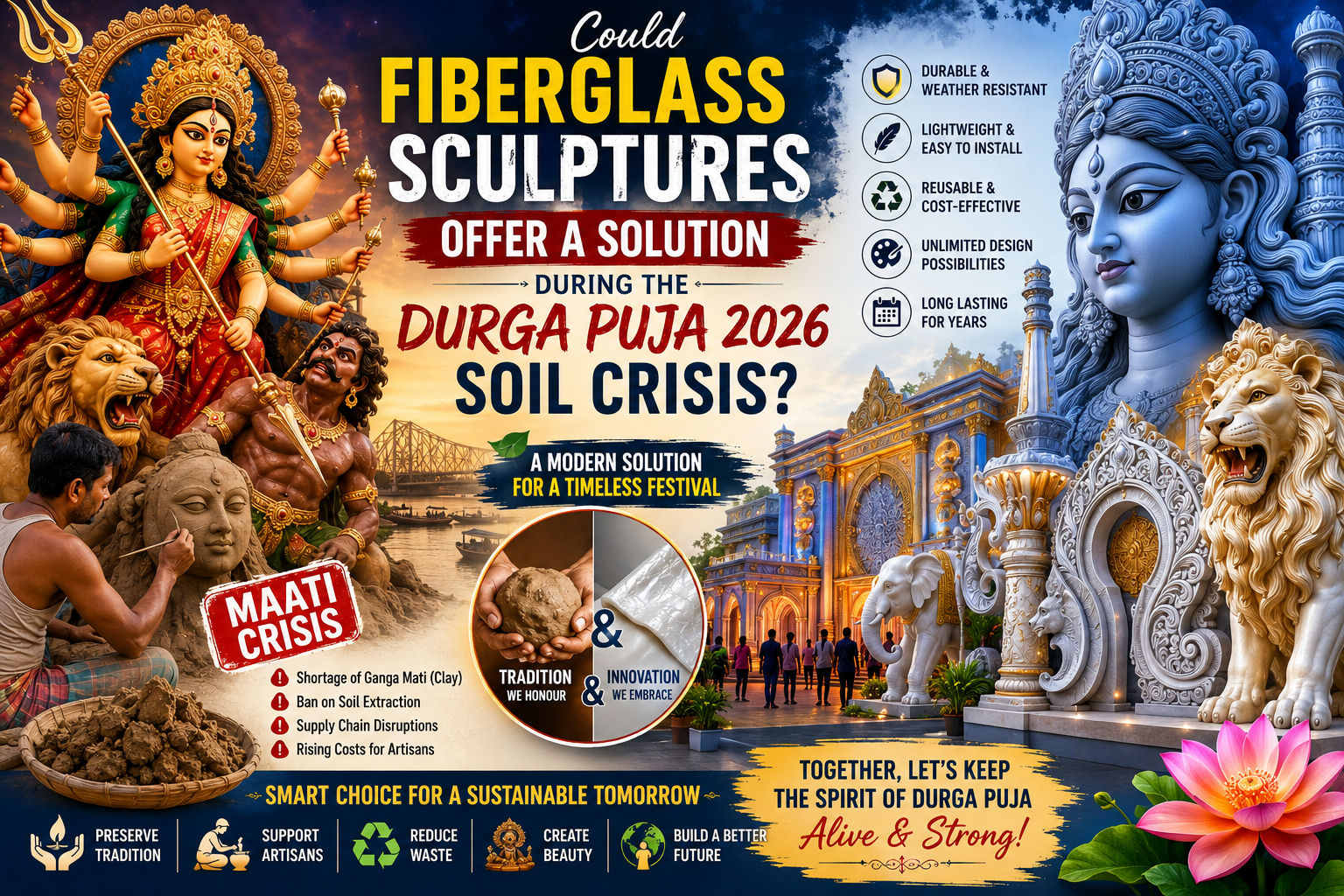
Durga Puja is the cultural heartbeat of West Bengal. Every year, the festival brings together millions of devotees, artists, craftsmen, and visitors who celebrate the triumph of good over evil through magnificent idols, elaborate pandals, and artistic installations. However, as preparations begin for Durga Puja 2026, a significant challenge has emerged that threatens the traditional idol-making industry—the growing shortage of "Ganga Mati" or sacred river clay.
The issue, now widely referred to as the "Maati Crisis," has created anxiety among artisans, especially in Kumartuli, Kolkata's renowned hub of idol-making. Restrictions on clay extraction from riverbanks, rising material costs, and disruptions in the supply chain have left many craftsmen concerned about meeting the demands of the upcoming festival season.
As the industry searches for solutions, an important question is being raised: Could fiberglass sculptures offer a practical solution during the Durga Puja 2026 soil crisis?
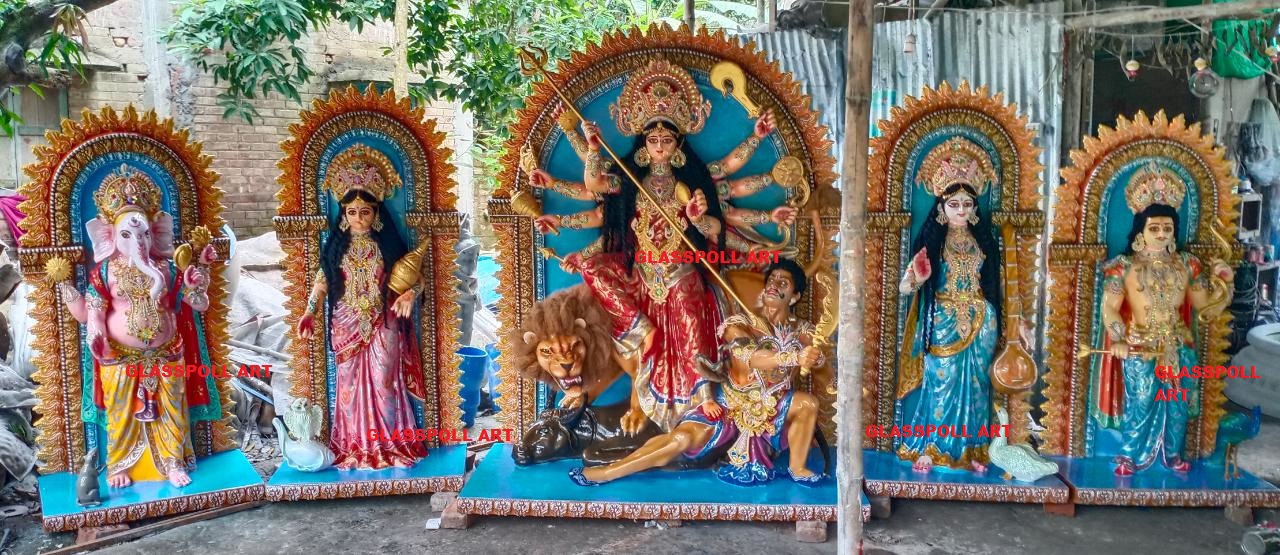
While traditional clay idols remain deeply rooted in religious customs, fiberglass art is increasingly being explored as a complementary option for decorative installations, theme-based structures, and long-term artistic projects. This evolution represents not a replacement of tradition but an adaptation to modern challenges.
Understanding the Durga Puja Soil Crisis
For generations, idol makers have relied on a special type of sticky black clay known as "entel mati" or "Ganga Mati." This clay is collected from specific locations along the banks and riverbeds of the Ganges and forms the foundation of traditional Durga idols.
The current shortage has emerged due to several factors:
Environmental Regulations
Authorities have imposed stricter controls on soil extraction to prevent riverbank erosion and environmental degradation. While these measures are important for ecological conservation, they have significantly reduced access to traditional clay sources.
Supply Chain Disruptions
Many artisans depend on established networks that transport clay from riverbank locations to workshops. Increased monitoring and restrictions have disrupted these supply channels.
Rising Costs
The cost of obtaining, transporting, and processing clay has increased considerably, creating financial pressure on artisans already operating within tight margins.
Growing Demand
Durga Puja continues to expand globally, with idols being shipped across India and overseas. Increased demand places additional strain on available resources.
These challenges have forced artisans and organizers to explore alternative materials and innovative approaches.
The Importance of Tradition
Before discussing fiberglass, it is important to recognize the cultural significance of clay idols.
Traditional Durga idols are not merely sculptures; they are sacred representations of the goddess. The clay itself carries symbolic meaning and is deeply connected to religious rituals. The process of creating, worshipping, and immersing clay idols has been an integral part of Bengali culture for centuries.
For this reason, fiberglass is unlikely to replace traditional clay idols used for religious worship and immersion ceremonies. Instead, its role lies in supporting other aspects of modern Durga Puja celebrations.
The Rise of Fiberglass Art in Festival Design
Fiberglass, also known as Fiber Reinforced Plastic (FRP), has become increasingly popular in the sculpture and decorative arts industry.
Artists and designers favor fiberglass because it offers:
- Exceptional durability
- Lightweight construction
- Weather resistance
- High design flexibility
- Long service life
- Easy maintenance
- Cost-effective reuse
These qualities make fiberglass particularly suitable for large-scale decorative projects associated with modern Durga Puja celebrations.
Where Fiberglass Can Help During the Soil Crisis
Theme-Based Installations
Modern Durga Puja pandals often revolve around elaborate themes that require complex artistic structures.
Fiberglass can be used to create:
- Mythological scenes
- Cultural displays
- Architectural replicas
- Giant decorative elements
- Artistic entrance gates
These installations reduce the dependence on clay while allowing organizers to create visually stunning attractions.
Decorative Sculptures
Many decorative components surrounding the main idol can be manufactured using fiberglass.
Examples include:
- Lions and mythological creatures
- Temple-inspired structures
- Decorative pillars
- Artistic backdrops
- Landscape sculptures
Using fiberglass for these elements allows artisans to reserve limited clay supplies for the primary religious idols.
Reusable Festival Infrastructure
One major advantage of fiberglass is its ability to be reused year after year.
Durga Puja committees can invest in:
- Decorative installations
- Stage designs
- Entrance structures
- Exhibition displays
These assets can be stored, refurbished, and reused for future festivals, reducing overall material consumption.
Supporting Artisans Through Diversification
The soil crisis has highlighted the economic vulnerability of artisans who depend heavily on seasonal idol-making.
Fiberglass sculpture production offers new opportunities by enabling artisans to work on projects throughout the year.
Potential projects include:
- Public art installations
- Park sculptures
- Garden décor
- Theme park attractions
- Educational displays
- Corporate installations
This diversification creates additional income streams while allowing artists to continue using their sculpting skills.
Artistic Freedom and Innovation
Fiberglass offers remarkable flexibility in design and production.
Artists can create:
- Large-scale sculptures
- Complex shapes
- Intricate details
- Modern art installations
- Interactive displays
Unlike clay, fiberglass is not limited by concerns about structural fragility or weather exposure. This allows designers to experiment with bold and innovative concepts.
As Durga Puja themes become increasingly ambitious, fiberglass provides the creative freedom needed to bring visionary ideas to life.
Durability in Challenging Weather Conditions
Festival organizers often face challenges related to unpredictable weather.
Heavy rain, humidity, and strong winds can damage traditional decorative materials.
Fiberglass structures are highly resistant to:
- Water damage
- Corrosion
- Cracking
- Fading
- Structural deterioration
This reliability makes fiberglass an attractive choice for outdoor installations that must remain visually appealing throughout the festival period.
Environmental Considerations
Some critics question the environmental impact of fiberglass. While it is not biodegradable like clay, responsible use can still contribute to sustainability.
Because fiberglass installations can be reused multiple times, they reduce the need for repeated material consumption and reconstruction.
Sustainable practices may include:
- Long-term reuse
- Proper maintenance
- Responsible disposal methods
- Eco-friendly finishing materials
When used strategically, fiberglass can support more resource-efficient festival planning.
Balancing Tradition and Modern Solutions
The discussion surrounding fiberglass should not be framed as a competition between traditional and modern materials.
Instead, it should focus on balance.
A practical approach may involve:
- Preserving traditional clay idols for worship
- Using fiberglass for decorative installations
- Supporting artisan skill development
- Expanding year-round artistic opportunities
- Reducing pressure on scarce clay resources
This balanced model allows cultural traditions to remain intact while embracing innovative solutions.
What the Future May Hold
The Durga Puja 2026 soil crisis serves as a reminder that traditional industries must adapt to changing environmental and economic realities.
Future developments may include:
- Improved clay sourcing methods
- Sustainable material innovations
- Greater use of reusable installations
- Expanded artisan training programs
- Increased collaboration between traditional and modern artists
As technology and artistic techniques continue to evolve, new opportunities will emerge for preserving cultural heritage while addressing practical challenges.
The Durga Puja 2026 soil crisis has sparked important conversations about the future of festival art and idol-making in West Bengal. While sacred clay remains irreplaceable for traditional religious idols, the growing popularity of fiberglass sculptures offers valuable support in areas where durability, flexibility, and reusability are essential.
Fiberglass is not a substitute for tradition—it is a complementary tool that can help artists, organizers, and communities adapt to modern challenges. By using fiberglass for decorative installations, theme structures, and long-term artistic projects, the festival industry can reduce pressure on limited clay resources while continuing to celebrate creativity and cultural excellence.
As Durga Puja evolves, the most successful approach may be one that honors the craftsmanship of Kumartuli while embracing innovative materials that help sustain Bengal's artistic legacy for generations to come.
Leave a Comment:
Categories
Popular Posts

Durga Puja 2026: Growing Global Demand for Indian Fiberglass Durga Idols
Durga Puja is one of India's most celebrated cultural and religious festivals, with a particularly strong connection to West Bengal and the Bengali community around the world. Traditionally, Durga ido
Read More →

Complete Guide to Buying Fiberglass Durga Idols for Malaysia
Durga Puja is celebrated with immense devotion and enthusiasm by Hindu and Bengali communities around the world. In Malaysia, temples, cultural associations, Bengali communities, and religious organiz
Read More →
The Growing Demand for Fiberglass Durga Idols in Malaysia
Durga Puja has evolved into one of the most significant cultural and religious celebrations for Hindu communities around the world. In Malaysia, where a vibrant Indian community has preserved its trad
Read More →

Fiberglass Durga Idol Export to the UK: A Complete Guide for Durga Puja Organizers
Durga Puja has become one of the most celebrated cultural and religious festivals among the Bengali community worldwide. In the United Kingdom, cities such as London, Birmingham, Manchester, Leicester
Read More →

Top Digital Strategies to Grow Your Art & Craft Export Business in 2026
The global demand for handcrafted products, decorative sculptures, home décor, fiberglass statues, garden ornaments, religious idols, and artistic installations continues to grow rapidly. Buyers from
Read More →
How Fiberglass Children Park Items Enhance Children’s Outdoor Activities
In today’s digital age, children are spending more time indoors than ever before. Smartphones, tablets, video games, and television often compete with outdoor play, reducing opportunities for physic
Read More →

Top 10 Durga Puja 2026 Trends Every Organizer Should Know
Durga Puja is more than just a religious festival—it's a celebration of creativity, culture, craftsmanship, and community. Every year, organizers strive to create unique experiences that attract vis
Read More →
From Vision to Victory 2026: Honoring Dr. Syama Prasad Mookerjee Through Fiberglass Art
India's history is shaped by visionary leaders whose ideas continue to inspire generations long after their time. Among these influential figures, Dr. Syama Prasad Mookerjee occupies a special place.
Read More →
Could Fiberglass Sculptures Offer a Solution During the Durga Puja 2026 Soil Crisis?
Durga Puja is the cultural heartbeat of West Bengal. Every year, the festival brings together millions of devotees, artists, craftsmen, and visitors who celebrate the triumph of good over evil through
Read More →
Durga Puja 2026: The Rise of Durable Fiberglass Sculptures
Durga Puja is more than a festival—it is a celebration of art, culture, devotion, and community. Every year, millions of devotees and visitors gather to admire magnificent idols, creative pandals, a
Read More →
From Clay to Fiberglass: Artistic Evolution During the Kumartuli Soil Crisis
For centuries, Kumartuli has stood as the artistic heart of Kolkata. Known worldwide for its skilled idol makers and traditional craftsmanship, this historic neighborhood has played a major role in pr
Read More →

Modern Playground Design Ideas with Fiberglass Children Park Items
Playgrounds have evolved far beyond simple swings and slides. Today’s modern playgrounds are designed to encourage creativity, physical activity, social interaction, and imaginative play. Whether it
Read More →

A Complete Buyer’s Guide to Fiberglass Durga Idols
Durga Puja is more than a festival—it’s a celebration of devotion, artistry, and cultural heritage. Traditionally, idols of Maa Durga were crafted from clay, symbolizing a return to nature. Howeve
Read More →

Large Fiber Nutcracker Statue: Make a Bold Holiday Statement
The holiday season is all about creating magical, memorable experiences. From twinkling lights to grand Christmas trees, festive décor has the power to transform ordinary spaces into enchanting wonde
Read More →

Fiber Nutcracker Statue: A Durable and Elegant Festive Decoration
When the holiday season arrives, decorations transform ordinary spaces into magical experiences. Among the most iconic symbols of Christmas charm and tradition stands the nutcracker. While traditional
Read More →
7 Expert Tips for Choosing the Perfect Fiberglass Durga Idol
Durga Puja is not just a festival—it's a deep spiritual and cultural expression of devotion, art, and tradition. In recent years, fiberglass Durga idols have grown in popularity due to their lightwe
Read More →

How Glasspoll Art Ensures Quality in Every Fiberglass Sculpture
Fiberglass sculptures are not just decorative pieces—they are a blend of artistry, craftsmanship, and precision engineering. At Glasspoll Art, we take immense pride in delivering high-quality, dur
Read More →

Glasspoll Art: Leading Manufacturer and Exporter of Fiberglass Durga Idols
Durga Puja, one of the most celebrated festivals in India, is a time of devotion, cultural vibrancy, and artistic splendor. At the heart of these celebrations are the magnificent Durga idols, which sy
Read More →
Revolutionizing Tradition: The Journey from Clay to Fiberglass Durga Idols
Durga Puja, the grand festival celebrating the triumph of good over evil, holds a special place in the hearts of Bengalis, and no other city captures the essence of this celebration quite like Kolkata
Read More →

Fiber children sculpture
Over the last couple of years, Fiber children sculptures are in high demand. These statues are perfect option to décor a place. You can place the statue inside and outside in a children’s park, p
Read More →
0-N
The True Essence of Durga Puja:Durga Puja is just not only a festival, it’s a heartfelt emotion for all Bengalis who live in abroad. It doesn’t matter; if a Bengali lives in UK, USA or North Ameri
Read More →

Fiberglass Durga Idol
Why To Choose Fiberglass Durga Idols Made by Glasspoll Art? Durga Puja is undoubtedly the most glorious festival in West Bengal and for Bengalis. This greatest festival of autumn allows every B
Read More →
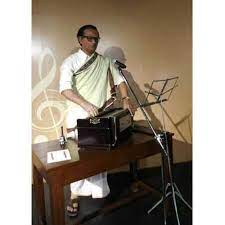
Hemanta Mukherjee Silicon Statue
The Indian Music Industry is truly endowed with some legendary personalities for watch till now Indian songs; music, films are quite popular in the world. There are many personalities time to time wer
Read More →
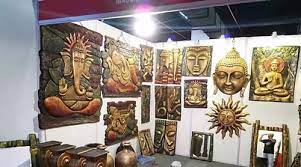
Fiberglass Wall hanging
Without any doubt, adding beautiful wall hanging can define a space in a different way. You can set a mood or colorful vibes to any style of the room. This is what makes the wall hanging unique and be
Read More →
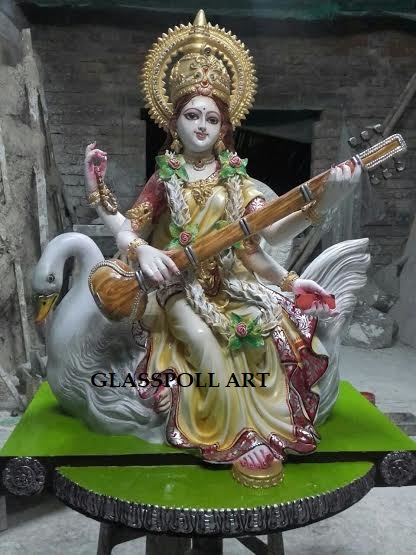
Fiberglass Saraswati statue
“Ya Kundendu Tusharahara Dhavala Ya Shubhra VastravritaYa Veena Varadanda Manditakara Ya Shveta PadmasanaYa Brahmachyuta Shankara Prabhritibhir Devaih Sada PujitaSa Mam Pattu Saravatee Bhagavatee Ni
Read More →

Fiberglass thinking woman statue
Human being always believes in the power of art, creativity, and ability to open people’s heart and minds. Public art or creation has the capability to teach us, inspire us, or just to make us smile
Read More →