From Clay to Fiberglass

Posted on 29 May

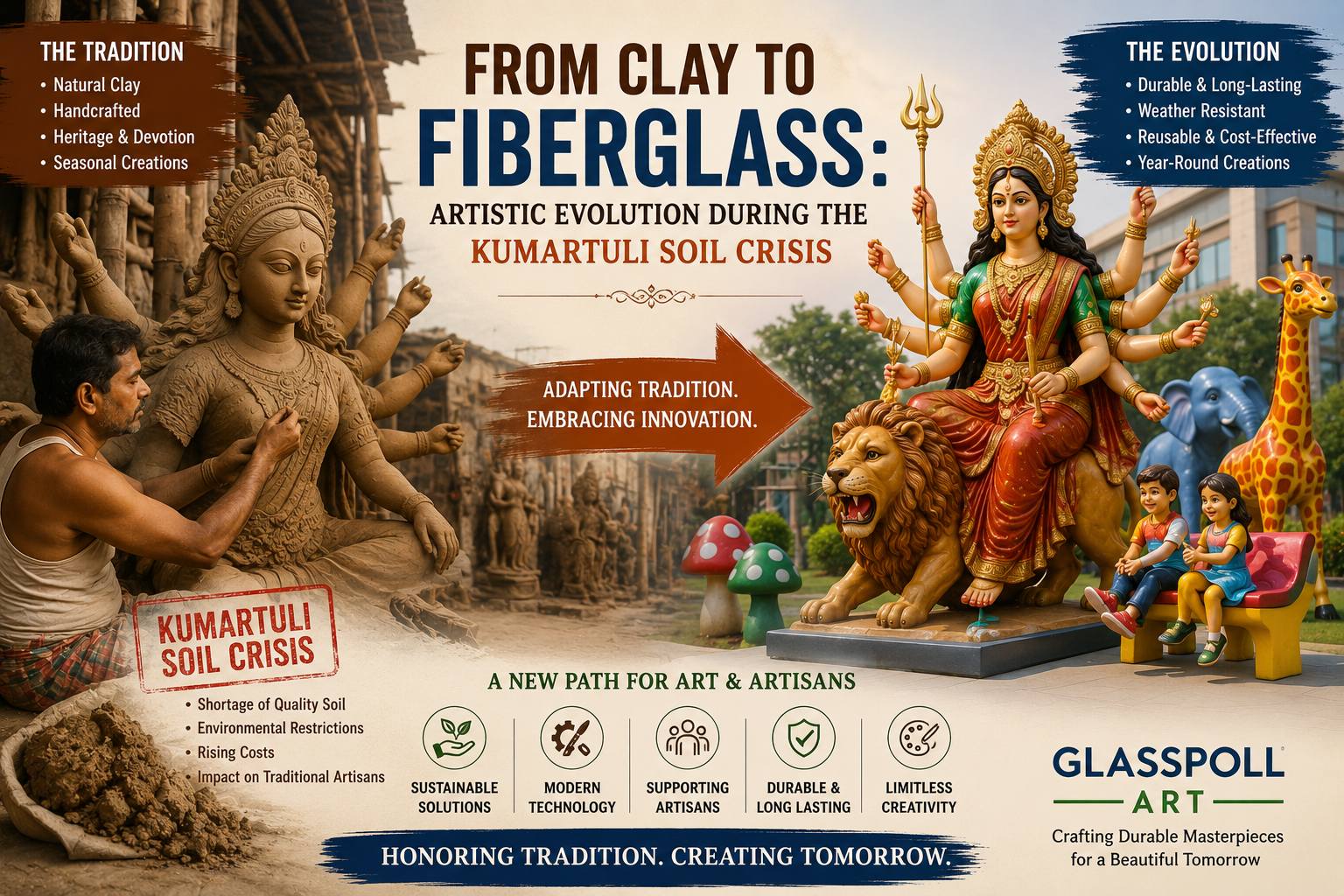
For centuries, Kumartuli has stood as the artistic heart of Kolkata. Known worldwide for its skilled idol makers and traditional craftsmanship, this historic neighborhood has played a major role in preserving India’s cultural and religious heritage. Every year, thousands of artisans in Kumartuli create beautiful clay idols for festivals such as Durga Puja, Kali Puja, Saraswati Puja, and Jagaddhatri Puja.

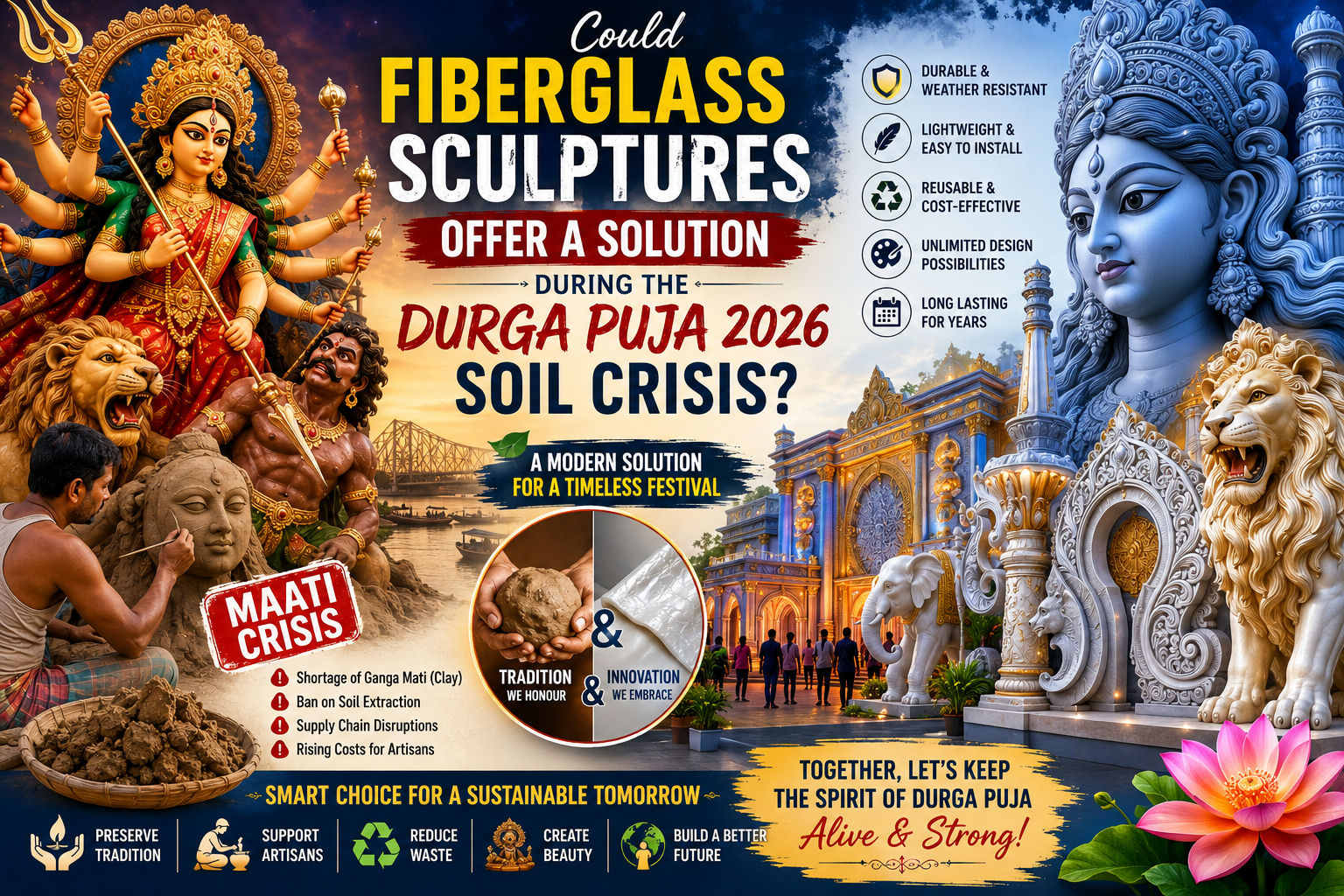
However, in recent years, Kumartuli artisans have faced a growing challenge — the soil crisis. Shortage of quality clay, rising environmental concerns, urban development pressures, and increasing production costs are affecting traditional idol-making practices. As these difficulties continue to impact artisans, the industry is gradually witnessing an artistic evolution from clay to fiberglass.

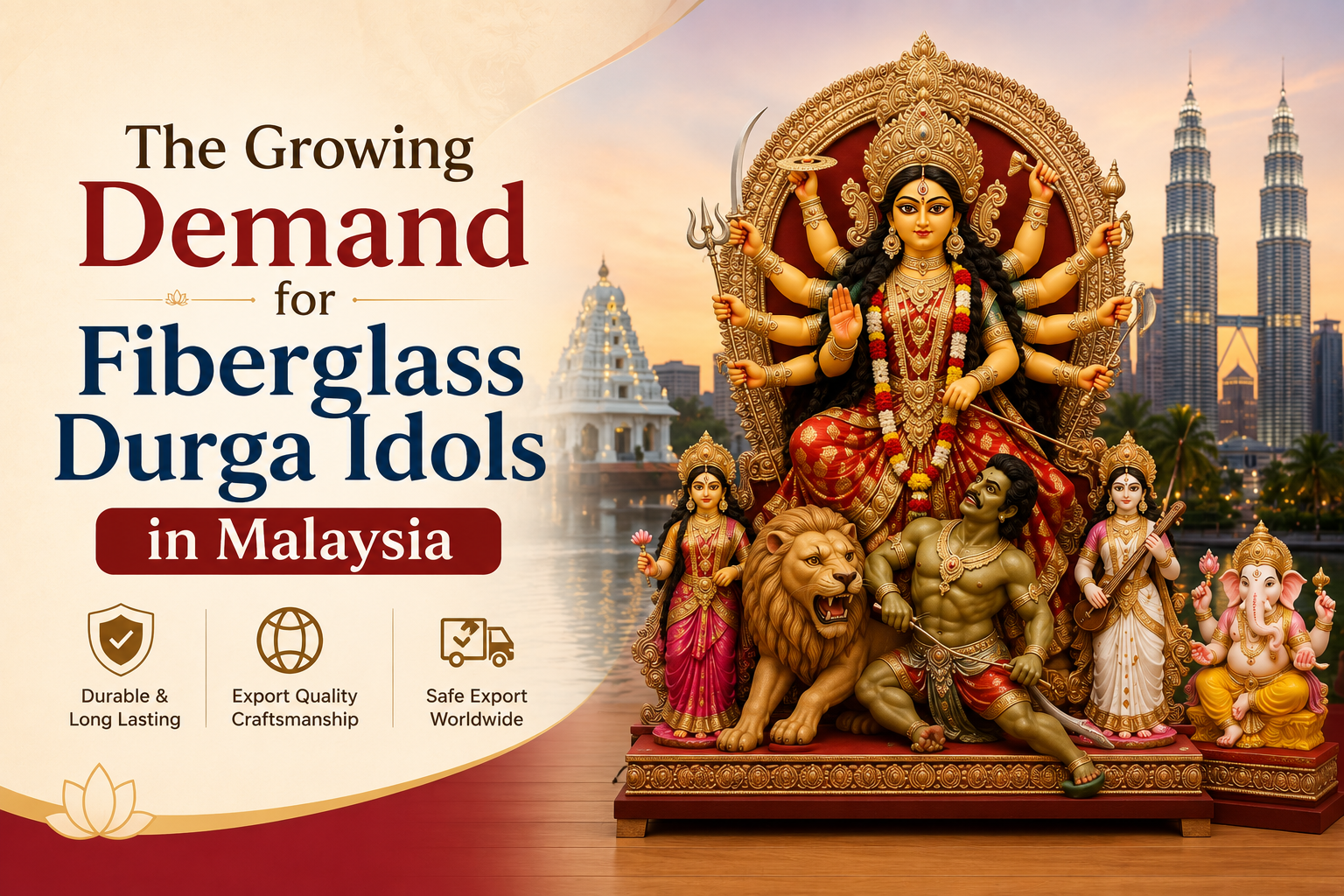
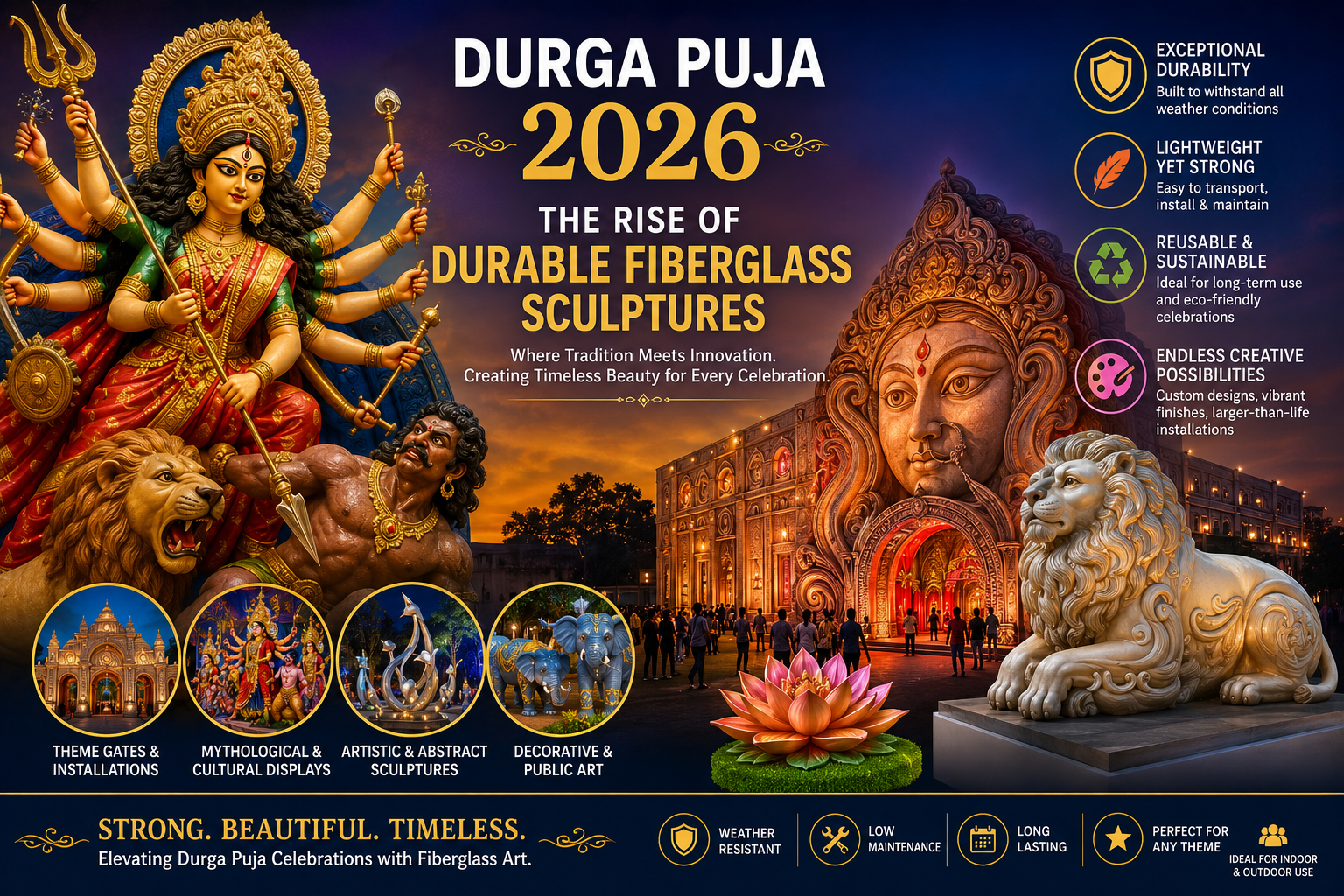
Fiberglass sculptures and idols are becoming increasingly popular for commercial installations, theme parks, public spaces, decorative projects, and even festival use in some cases. While traditional clay art continues to hold emotional and cultural importance, fiberglass is emerging as a practical and durable alternative in modern artistic applications.

This shift does not mean the end of tradition. Instead, it reflects how Indian artistry is adapting to modern challenges while preserving creativity and craftsmanship.

The Legacy of Kumartuli

Kumartuli is more than just a workshop area — it is a symbol of Bengal’s artistic identity. Located in North Kolkata, Kumartuli has been home to generations of idol makers for over 300 years.

The artisans of Kumartuli are known for:

  • Handcrafted clay idols
  • Detailed sculpting techniques
  • Traditional painting methods
  • Cultural and religious artistry
  • Festival-based creative work

Every idol created in Kumartuli carries deep spiritual and emotional significance. The process itself is considered sacred and closely connected to Bengal’s cultural traditions.

However, despite this rich heritage, modern-day artisans are facing increasing struggles that threaten the sustainability of their craft.

Understanding the Kumartuli Soil Crisis

The primary material used for idol making is clay collected from riverbanks, especially from the Ganges. Over time, several environmental and urban factors have contributed to the shortage of suitable soil.

Major causes of the soil crisis include:

1. Environmental Restrictions

Authorities have introduced stricter environmental regulations regarding soil extraction from riverbanks. These measures aim to prevent ecological damage and river erosion.

While environmentally necessary, these restrictions have reduced easy access to high-quality clay for artisans.

2. Urbanization and Construction

Rapid urban development around Kolkata has significantly affected natural clay sources. Many traditional collection areas have either disappeared or become inaccessible.

3. Rising Material Costs

The cost of clay transportation, labor, and raw materials has increased sharply in recent years. Small-scale artisans often struggle to manage these growing expenses.

4. Weather and Climate Challenges

Heavy rains, flooding, and unpredictable weather conditions affect both clay collection and idol production timelines. Seasonal disruptions create additional financial pressure on artisans.

Together, these challenges have created uncertainty within the traditional idol-making industry.

The Growing Demand for Durable Art Solutions

While clay idols remain central to religious festivals, the broader sculpture and decorative art market has changed significantly. Today, many commercial clients seek durable, reusable, and weather-resistant artistic installations.

This growing demand has encouraged artists and manufacturers to explore alternative materials such as fiberglass.

Fiberglass, also known as Fiber Reinforced Plastic (FRP), offers several advantages:

  • Long-lasting durability
  • Resistance to weather damage
  • Lightweight construction
  • Easy transportation
  • Reusable structures
  • Low maintenance
  • Flexible design possibilities

As a result, fiberglass sculptures are increasingly used in:

  • Theme parks
  • Public parks
  • Resorts
  • Shopping malls
  • Corporate spaces
  • Decorative installations
  • Educational institutions
  • Outdoor art displays

Artistic Evolution, Not Replacement

The rise of fiberglass does not necessarily replace traditional clay artistry. Instead, it represents an evolution in artistic application.

Clay and fiberglass serve different purposes:

  • Clay remains deeply connected to religious rituals and temporary festival traditions.
  • Fiberglass supports long-term installations and modern decorative projects.

Many artisans are now combining traditional sculpting skills with modern materials to expand their opportunities.

In fact, the same creativity, detailing, and craftsmanship used in clay idol making are now being applied to fiberglass sculptures and installations.

This transition allows artisans to:

  • Work throughout the year
  • Access larger commercial markets
  • Reduce dependency on seasonal festivals
  • Create permanent art structures
  • Explore modern design opportunities

How Fiberglass Supports Artistic Innovation

Fiberglass offers artistic flexibility that allows sculptors to experiment with unique designs and large-scale installations.

Modern fiberglass creations include:

  • Mythological sculptures
  • Decorative statues
  • Animal figures
  • Theme park installations
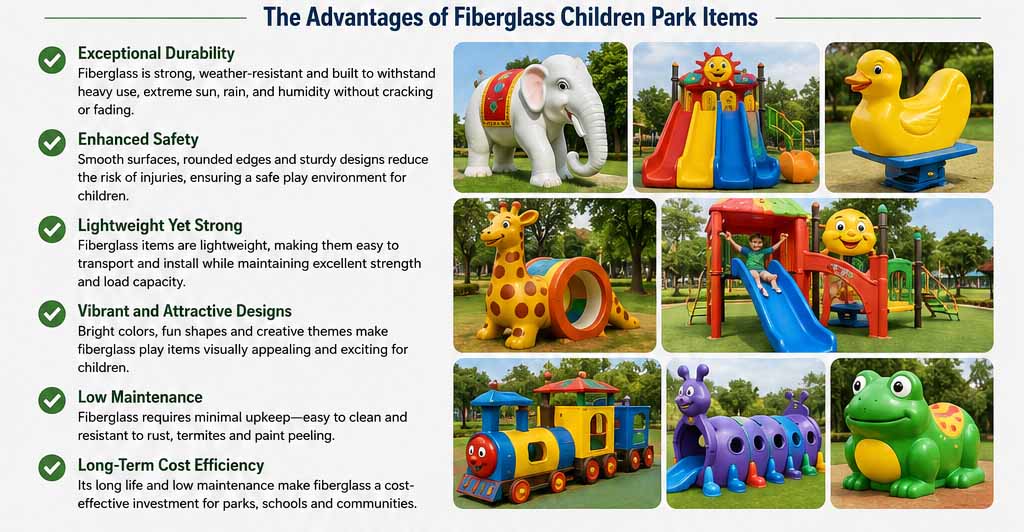
  • Children’s park items
  • Garden sculptures
  • Religious statues
  • Cultural art displays

Unlike clay, fiberglass structures can withstand outdoor conditions for many years. This durability makes them ideal for permanent artistic projects.

Additionally, fiberglass can be molded into highly detailed forms, allowing artists to maintain the same level of craftsmanship seen in traditional clay work.

The Role of Technology in Modern Sculpture Making

Technology is also playing a growing role in the evolution of modern art and sculpture production.

Today’s fiberglass manufacturing often includes:

  • 3D design planning
  • Mold-based production techniques
  • Advanced painting methods
  • Protective weather coatings
  • Large-scale structural engineering

Despite these modern techniques, artistic skill remains the foundation of the industry. Traditional sculptors continue to contribute their handcraft expertise to modern production processes.

This blending of tradition and technology is helping Indian artistry remain competitive in a changing market.

Preserving Traditional Craftsmanship

Even as fiberglass gains popularity, preserving traditional clay artistry remains extremely important. Kumartuli’s cultural heritage cannot simply be replaced by industrial materials.

Efforts are needed to support artisans through:

  • Better infrastructure
  • Financial assistance
  • Sustainable clay sourcing
  • Government support programs
  • Workshop modernization
  • Cultural preservation initiatives

Public awareness also plays a major role. Supporting local artisans and valuing handmade craftsmanship helps preserve India’s artistic traditions for future generations.

Sustainability and Environmental Awareness

Environmental concerns are another reason why the industry is evolving. While traditional clay idols are biodegradable, modern festival practices sometimes include harmful chemical paints and non-eco-friendly materials.

Similarly, fiberglass production also requires responsible manufacturing practices.

The future of the art industry may depend on balancing:

  • Cultural preservation
  • Environmental sustainability
  • Modern durability needs
  • Economic opportunities for artisans

Many artists and manufacturers are now exploring eco-friendly fiberglass techniques, sustainable paints, and recyclable materials to reduce environmental impact.

Economic Opportunities Beyond Festivals

One major limitation of traditional idol-making is its seasonal nature. Most clay idol demand peaks during festival months, leaving artisans with limited income opportunities during the rest of the year.

Fiberglass sculpture production creates year-round business opportunities through:

  • Public art projects
  • Landscape decoration
  • Theme-based installations
  • Commercial branding displays
  • Garden décor
  • Tourism-related sculptures

This diversification helps artisans achieve more stable incomes while continuing to use their artistic talents.

The Future of Indian Sculpture Art

India’s artistic traditions have always evolved with time. From stone carvings and terracotta art to modern fiberglass installations, each generation has adapted its creativity to changing social and economic conditions.

The transition from clay to fiberglass during the Kumartuli soil crisis reflects this ongoing evolution.

Rather than viewing fiberglass as a threat to tradition, it can be seen as an opportunity:

  • To expand artistic possibilities
  • To create sustainable careers for artisans
  • To preserve craftsmanship in new forms
  • To bring Indian art into modern public spaces

Traditional clay artistry and modern fiberglass sculpture can coexist, each serving unique cultural and commercial purposes.

The Kumartuli soil crisis has highlighted the challenges faced by traditional artisans in today’s rapidly changing world. Shortage of clay, rising costs, environmental restrictions, and urban pressures are forcing the industry to adapt.

At the same time, fiberglass has emerged as a powerful medium for modern sculpture and decorative art. Its durability, versatility, and commercial value are creating new opportunities for artists and manufacturers alike.

The evolution from clay to fiberglass is not the loss of tradition — it is the continuation of artistic creativity in a new form. By combining traditional craftsmanship with modern innovation, Indian artists can preserve their cultural heritage while embracing the future of sculpture and design.


Leave a Comment:


Popular Posts

Card image cap

From Clay to Fiberglass: Artistic Evolution During the Kumartuli Soil Crisis
For centuries, Kumartuli has stood as the artistic heart of Kolkata. Known worldwide for its skilled idol makers and traditional craftsmanship, this historic neighborhood has played a major role in pr

Read More →

Card image cap

Modern Playground Design Ideas with Fiberglass Children Park Items
Playgrounds have evolved far beyond simple swings and slides. Today’s modern playgrounds are designed to encourage creativity, physical activity, social interaction, and imaginative play. Whether it

Read More →
Card image cap

A Complete Buyer’s Guide to Fiberglass Durga Idols
Durga Puja is more than a festival—it’s a celebration of devotion, artistry, and cultural heritage. Traditionally, idols of Maa Durga were crafted from clay, symbolizing a return to nature. Howeve

Read More →
Card image cap

Large Fiber Nutcracker Statue: Make a Bold Holiday Statement
The holiday season is all about creating magical, memorable experiences. From twinkling lights to grand Christmas trees, festive décor has the power to transform ordinary spaces into enchanting wonde

Read More →
Card image cap

Fiber Nutcracker Statue: A Durable and Elegant Festive Decoration
When the holiday season arrives, decorations transform ordinary spaces into magical experiences. Among the most iconic symbols of Christmas charm and tradition stands the nutcracker. While traditional

Read More →
Card image cap

7 Expert Tips for Choosing the Perfect Fiberglass Durga Idol
Durga Puja is not just a festival—it's a deep spiritual and cultural expression of devotion, art, and tradition. In recent years, fiberglass Durga idols have grown in popularity due to their lightwe

Read More →
Card image cap

How Glasspoll Art Ensures Quality in Every Fiberglass Sculpture
Fiberglass sculptures are not just decorative pieces—they are a blend of artistry, craftsmanship, and precision engineering. At Glasspoll Art, we take immense pride in delivering high-quality, dur

Read More →
Card image cap

Glasspoll Art: Leading Manufacturer and Exporter of Fiberglass Durga Idols
Durga Puja, one of the most celebrated festivals in India, is a time of devotion, cultural vibrancy, and artistic splendor. At the heart of these celebrations are the magnificent Durga idols, which sy

Read More →
Card image cap

Revolutionizing Tradition: The Journey from Clay to Fiberglass Durga Idols
Durga Puja, the grand festival celebrating the triumph of good over evil, holds a special place in the hearts of Bengalis, and no other city captures the essence of this celebration quite like Kolkata

Read More →
Card image cap

Fiber children sculpture
Over the last couple of years, Fiber children sculptures are in high demand. These statues are perfect option to décor a place. You can place the statue inside and outside in a children’s park, p

Read More →
Card image cap

0-N
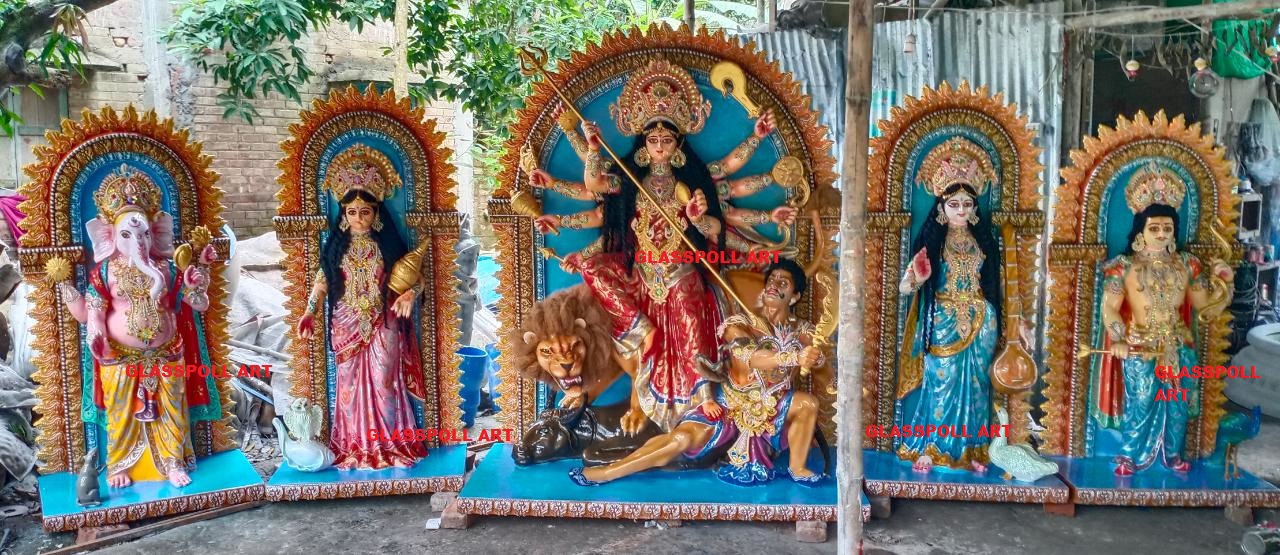
The True Essence of Durga Puja:Durga Puja is just not only a festival, it’s a heartfelt emotion for all Bengalis who live in abroad. It doesn’t matter; if a Bengali lives in UK, USA or North Ameri

Read More →
Card image cap

Fiberglass Durga Idol
Why To Choose Fiberglass Durga Idols Made by Glasspoll Art?    Durga Puja is undoubtedly the most glorious festival in West Bengal and for Bengalis. This greatest festival of autumn allows every B

Read More →
Card image cap

Hemanta Mukherjee Silicon Statue
The Indian Music Industry is truly endowed with some legendary personalities for watch till now Indian songs; music, films are quite popular in the world. There are many personalities time to time wer

Read More →
Card image cap

Fiberglass Wall hanging
Without any doubt, adding beautiful wall hanging can define a space in a different way. You can set a mood or colorful vibes to any style of the room. This is what makes the wall hanging unique and be

Read More →
Card image cap

Fiberglass Saraswati statue
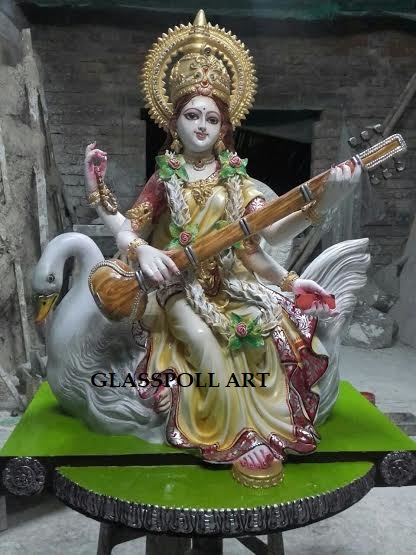
“Ya Kundendu Tusharahara Dhavala Ya Shubhra VastravritaYa Veena Varadanda Manditakara Ya Shveta PadmasanaYa Brahmachyuta Shankara Prabhritibhir Devaih Sada PujitaSa Mam Pattu Saravatee Bhagavatee Ni

Read More →
Card image cap

Fiberglass thinking woman statue
Human being always believes in the power of art, creativity, and ability to open people’s heart and minds. Public art or creation has the capability to teach us, inspire us, or just to make us smile

Read More →