


Why Fiberglass Art Is Gaining Massive Popularity Across Europe in 2025
In recent years, Europe has witnessed a remarkable evolution in the world of interior design, public art, and architectural creativity. Among the many artistic mediums gaining attention, fiberglass art has emerged as one of the most influential forces in modern European aesthetics. As we step into 2025, fiberglass sculptures, murals, installations, and décor elements have become top choices for designers, commercial developers, curators, and homeowners alike.
But what exactly is driving this surge in demand? Why is fiberglass art experiencing massive popularity across Europe?
Let’s explore the cultural, aesthetic, and functional reasons behind this growing trend.
1. Fiberglass Offers Unmatched Versatility for European Design Trends
Europe is a mosaic of architectural styles – from minimalist Scandinavian interiors to the luxurious elegance of French, Italian, and Spanish décor. Fiberglass fits effortlessly into every design theme due to its incredible versatility.
How fiberglass adapts to various European styles:
-
Scandinavian minimalism: Clean, smooth finishes and organic shapes align perfectly with Nordic simplicity.
-
Mediterranean interiors: Fiberglass can mimic textures like stone, wood, and ceramic effortlessly.
-
Modern industrial spaces: Sharp lines, geometric shapes, and bold large-scale pieces make fiberglass ideal.
-
Classical European themes: Sculptures resembling marble or bronze can be crafted at a fraction of the weight and cost.
This adaptability makes fiberglass the go-to material for designers aiming to create custom pieces that match Europe’s diverse interior styles.
2. Growing Demand for Lightweight but Durable Art
One of the biggest practical advantages of fiberglass is its excellent strength-to-weight ratio. Europe’s residential buildings, commercial towers, and public facilities often require artwork that is:
-
Easy to install
-
Safe for all environments
-
Resistant to damage
-
Capable of lasting decades
Fiberglass checks all these boxes.
Why durability matters in Europe:
Europe experiences a wide range of climates—from the cold Nordic regions to Mediterranean humidity. Fiberglass withstands moisture, UV exposure, temperature fluctuations, and daily wear far better than traditional materials like clay, wood, or metal.
As a result, hotels, museums, public parks, universities, and shopping centers across Europe increasingly prefer fiberglass installations for both indoor and outdoor settings.
3. Perfect for Large-Scale Public Art Installations
European cities are heavily investing in public art to enrich cultural identity. Cities like Berlin, Barcelona, Paris, Amsterdam, and Lisbon are known for embracing modern and experimental artworks.
Fiberglass is the preferred material for public art because it allows:
-
Oversized sculptures without structural issues
-
Creative and unusual shapes
-
Cost-effective production
-
Longevity with low maintenance
Public plazas, metro stations, waterfronts, and corporate campuses are choosing fiberglass sculptures and 3D murals to create impactful visual experiences.
4. Explosion of Theme Parks, Resorts & Entertainment Spaces
Tourism is one of Europe’s strongest industries, and entertainment spaces across the continent are expanding their artistic investments.
Popular sectors embracing fiberglass art:
-
Theme parks in France, Spain, Germany, and the UK
-
Resorts & hotels in Greece, Italy, and the Canary Islands
-
Zoos, aquariums, and museums across Northern and Central Europe
-
Festival venues and event grounds
Fiberglass is ideal for themed environments because it can replicate:
-
Animals
-
Mythological figures
-
Characters
-
Decorative props
-
Architectural elements
This boom in themed attractions has fueled even more demand for custom fiberglass artwork.
5. Europe’s Sustainability Shift Supports Fiberglass Innovation
Europe has been at the forefront of environmental responsibility, and many artists and manufacturers are now exploring eco-friendly fiberglass options, such as:
-
Low-VOC resins
-
Recycled fiberglass materials
-
Energy-efficient production methods
Fiberglass’s longevity also contributes to sustainability because it reduces the need for frequent replacements.
As 2025 progresses, eco-conscious European buyers increasingly view fiberglass as a long-term, responsible art option—especially when compared to short-lived plastic or resource-intensive metals.
6. Cost-Effective Alternative to Traditional Materials
Europe has a rich history of marble, bronze, wood, and stone sculpture. But these materials come with significant challenges:
-
High cost
-
Heavy weight
-
Difficult transport
-
Limited flexibility
-
Complex installation
Fiberglass offers the same visual effect while reducing:
-
Production cost
-
Shipping expenses
-
Labor needed for installation
Municipalities, corporate clients, and hospitality businesses across Europe choose fiberglass because it delivers museum-level aesthetics without the financial burden of traditional sculpture materials.
7. Fiberglass Art Supports Europe’s Push Toward Customization
Modern European consumers—both homeowners and corporations—are increasingly seeking custom artwork instead of mass-produced items.
Why custom art is growing in Europe:
-
Strong culture of individuality
-
Growth of boutique restaurants and hotels
-
Increase in luxury home renovations
-
Rise of experiential retail spaces
Fiberglass allows artists to create fully customized pieces in any shape, size, texture, or style. This level of personalization aligns perfectly with Europe’s design-forward culture.
8. Advancement in European Art Technology & Manufacturing
By 2025, Europe’s art and design industries have integrated advanced tools such as:
-
3D modeling
-
CNC machining
-
Digital sculpting
-
Lightweight resin engineering
-
UV-stable color technologies
These advancements have improved the quality and precision of fiberglass art dramatically.
Manufacturers can now create hyper-realistic sculptures, intricate décor pieces, and large installation works with exceptional detail. This technological leap has further fueled demand.
9. Rising Popularity of Contemporary & Abstract Art
Across Europe, contemporary art movements are increasingly favoring abstract shapes, fluid designs, and innovative concepts. Fiberglass suits this trend perfectly.
Its flexibility allows artists to create:
-
Twisted forms
-
Free-flowing sculptures
-
Geometric patterns
-
Minimalist silhouettes
-
Futuristic installations
Art galleries, luxury apartments, and corporate spaces across Europe are integrating fiberglass art to reflect the continent’s modern artistic identity.
10. Improved Shipping & Logistics for European Buyers
One of the practical reasons behind fiberglass art’s rising popularity is improved shipping solutions. Since fiberglass is lighter and less fragile than stone or ceramic, it can be shipped more safely and at a much lower cost.
Manufacturers and exporters worldwide—including Asian suppliers—are now offering:
-
Strong export-grade packaging
-
Safety crates
-
Foam-based shock protection
-
Worldwide door-to-door delivery
-
Hassle-free customs paperwork
This has made it easier for European buyers to comfortably import fiberglass art for personal and commercial use.
Europe Embraces Fiberglass as the Future of Art & Design
Fiberglass art is not just a trend—it’s becoming a defining element of Europe’s 2025 creative landscape. With its unmatched versatility, durability, cost-effectiveness, and ability to adapt to diverse European cultures, fiberglass has transformed the way art is created and experienced.
From public installations in city squares, to luxury hotel lobbies, to stylish modern homes, fiberglass is shaping Europe’s visual identity in exciting new ways.
As the demand continues to rise, Europe is set to become one of the world’s largest markets for high-quality, custom fiberglass art.
Read More →
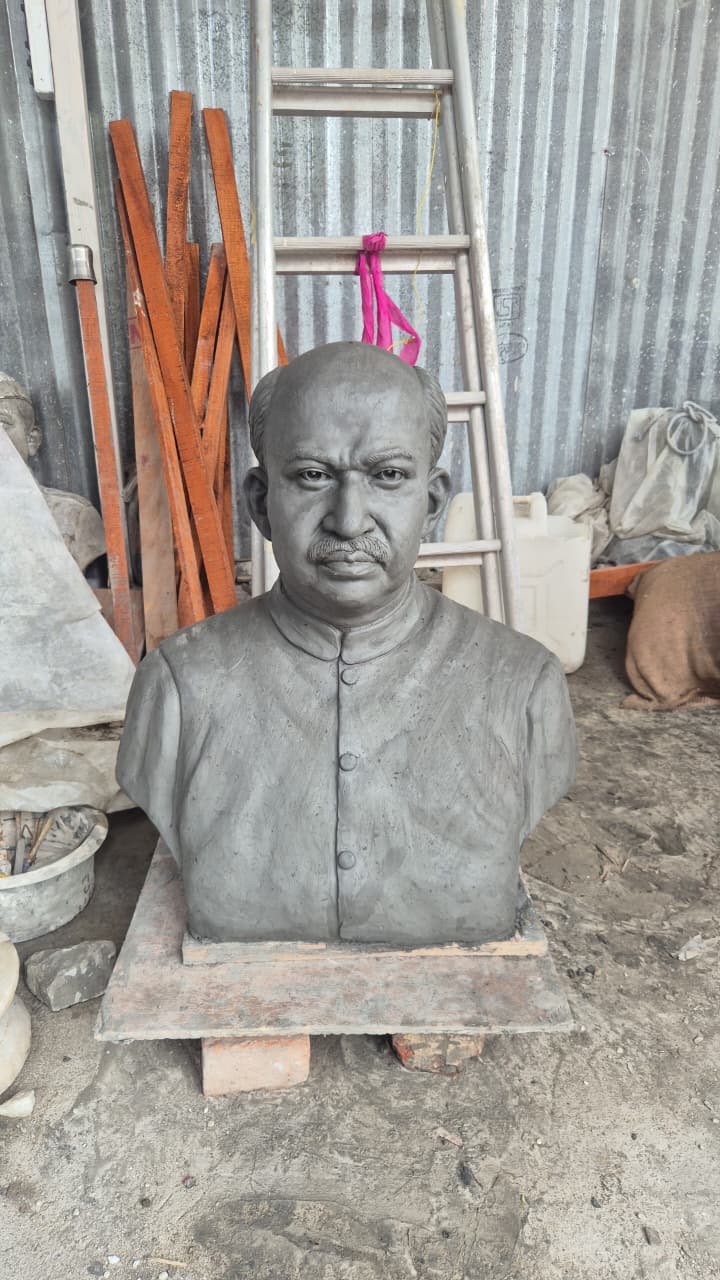
From Vision to Victory 2026: Honoring Dr. Syama Prasad Mookerjee Through Fiberglass Art
India's history is shaped by visionary leaders whose ideas continue to inspire generations long after their time. Among these influential figures, Dr. Syama Prasad Mookerjee occupies a special place. A distinguished educationist, statesman, nationalist, and founder of the Bharatiya Jana Sangh, Dr. Mookerjee's vision for a united and strong India remains relevant even today.
As political developments in West Bengal continue to draw attention in 2026, many people are revisiting the legacy of leaders who played a significant role in shaping the state's political and cultural identity. Dr. Syama Prasad Mookerjee stands among those iconic personalities whose contributions continue to influence public discourse and national thought.
One meaningful way of preserving and celebrating his legacy is through art. Across India, fiberglass statues and memorial sculptures are increasingly being used to honor national leaders and preserve historical memory. These artistic tributes not only commemorate great individuals but also educate future generations about their contributions to society.
This growing trend has highlighted the importance of fiberglass art as a powerful medium for preserving history, culture, and national heritage.
The Legacy of Dr. Syama Prasad Mookerjee
Born in Kolkata in 1901, Dr. Syama Prasad Mookerjee was known for his academic brilliance and leadership qualities from an early age. He became one of the youngest Vice Chancellors of the University of Calcutta and later emerged as an influential political leader.
Throughout his life, he advocated for:
National unity
Educational advancement
Cultural preservation
Democratic values
Economic development
His commitment to the nation earned him widespread respect across political and social circles.
Most notably, Dr. Mookerjee founded the Bharatiya Jana Sangh in 1951, laying the foundation for a political movement whose influence continues to shape Indian politics today.
His famous belief in the unity and integrity of India remains one of the defining aspects of his legacy.
Why Memorial Statues Matter
Public monuments and memorial statues serve an important purpose in society. They are more than decorative structures; they are symbols of collective memory.
A well-crafted statue helps:
Preserve historical awareness
Inspire future generations
Honor national leaders
Strengthen cultural identity
Create educational opportunities
For young people, statues often become the first introduction to important historical personalities. They encourage curiosity and motivate individuals to learn more about the nation's history.
In the case of Dr. Syama Prasad Mookerjee, memorial sculptures provide a lasting reminder of his contributions to education, public service, and national development.
The Growing Popularity of Fiberglass Statues
Traditional statues were often created using stone, bronze, or concrete. While these materials remain popular, fiberglass has emerged as a modern alternative offering several practical advantages.
Fiberglass, also known as Fiber Reinforced Plastic (FRP), has become a preferred material for public sculptures because of its durability, versatility, and cost-effectiveness.
Key benefits include:
Exceptional Durability
Fiberglass sculptures can withstand:
Rain
Heat
Humidity
Wind
Pollution
This makes them suitable for long-term outdoor installations.
Lightweight Construction
Unlike stone or metal statues, fiberglass structures are easier to transport and install. This allows for efficient project execution without compromising structural strength.
Fine Artistic Detailing
Fiberglass enables sculptors to capture:
Facial expressions
Clothing textures
Architectural details
Historical accuracy
The result is a realistic and visually impressive tribute.
Low Maintenance
Fiberglass statues require minimal maintenance and retain their appearance for years, making them ideal for schools, parks, government institutions, and public spaces.
Art as a Bridge Between History and Modern Generations
Modern society moves quickly, and historical figures can sometimes become distant from younger generations. Art plays a crucial role in keeping their stories alive.
A statue creates a physical presence that encourages people to:
Pause and reflect
Learn about historical events
Appreciate cultural heritage
Understand national values
When visitors encounter a well-crafted fiberglass statue of Dr. Syama Prasad Mookerjee, they are reminded of the ideals he stood for and the vision he championed throughout his life.
This connection between history and contemporary society is one of the greatest strengths of public art.
The Artistic Process Behind a Fiberglass Statue
Creating a fiberglass statue requires a combination of artistic skill, historical research, and technical expertise.
The process generally includes:
Concept Development
Artists begin by studying photographs, historical references, and biographical materials to ensure authenticity.
Sculpting
A detailed clay or model sculpture is created to capture accurate facial features, expressions, and posture.
Mold Creation
A precision mold is prepared to reproduce the design while maintaining intricate details.
Fiberglass Casting
The sculpture is cast using high-quality fiberglass materials, ensuring strength and durability.
Finishing and Painting
Artists carefully paint and finish the statue to achieve a realistic and dignified appearance.
Each stage requires dedication and craftsmanship to ensure the final sculpture reflects the personality and significance of the individual being honored.
Why Institutions Choose Fiberglass Memorials
Today, fiberglass statues are widely used by:
Educational institutions
Government organizations
Cultural centers
Public parks
Community halls
Memorial complexes
These organizations appreciate fiberglass because it combines artistic beauty with practical durability.
A fiberglass bust or full-size statue of Dr. Syama Prasad Mookerjee can become a focal point for:
Educational programs
Cultural events
National celebrations
Public commemorations
Such installations help communities connect with their historical roots.
Preserving Bengal's Rich Historical Heritage
West Bengal has produced many of India's most influential thinkers, reformers, freedom fighters, and political leaders. Preserving their legacy is essential for maintaining the state's rich cultural heritage.
Fiberglass art contributes to this mission by creating accessible and long-lasting memorials that can be displayed in:
Schools
Universities
Libraries
Public parks
Government buildings
Cultural institutions
These installations ensure that future generations continue to learn about and appreciate the contributions of great leaders.
From Vision to Victory: The Continuing Relevance of Dr. Mookerjee
The phrase "From Vision to Victory" reflects the enduring influence of Dr. Syama Prasad Mookerjee's ideas.
His vision emphasized:
Strong national unity
Educational excellence
Cultural pride
Democratic participation
Public service
Decades after his passing, these values continue to resonate with many people across India.
The growing interest in commemorating his legacy demonstrates the lasting impact of his contributions and the importance of preserving historical memory through meaningful artistic expression.
The Role of Glasspoll Art in Preserving Legacy
At Glasspoll Art, we believe that art has the power to preserve history and inspire future generations.
Our fiberglass statues and sculptures are designed to:
Honor national leaders
Celebrate cultural heritage
Enhance public spaces
Create lasting memorials
By combining traditional craftsmanship with modern fiberglass technology, we create sculptures that stand as enduring symbols of respect, remembrance, and inspiration.
Whether installed in educational institutions, public parks, government facilities, or cultural centers, these memorials help keep the stories of great leaders alive.
Conclusion
Dr. Syama Prasad Mookerjee's contributions to India continue to inspire people across generations. His commitment to national unity, education, and public service has earned him a lasting place in the nation's history.
As communities seek meaningful ways to honor his legacy, fiberglass art offers a powerful and enduring solution. Through realistic sculptures, memorial busts, and public installations, artists can preserve history while creating spaces for learning and reflection.
From vision to victory, the story of Dr. Syama Prasad Mookerjee remains an important part of India's journey. Through the timeless medium of fiberglass art, that story can continue to inspire future generations for many years to come.
Read More →
Top 10 Durga Puja 2026 Trends Every Organizer Should Know
Durga Puja is more than just a religious festival—it's a celebration of creativity, culture, craftsmanship, and community. Every year, organizers strive to create unique experiences that attract visitors, inspire devotees, and stand out among thousands of pujas across West Bengal and beyond.
As Durga Puja 2026 approaches, organizers face a rapidly changing landscape. From the ongoing "Maati Crisis" affecting idol makers to the growing demand for sustainable decorations and immersive visitor experiences, this year's festival is expected to bring significant changes in how pandals and artistic installations are designed.
Whether you're a community puja committee, corporate sponsor, artist, or event planner, understanding the latest trends can help you create a memorable and successful celebration.
Here are the Top 10 Durga Puja 2026 trends every organizer should know.
1. Rise of Fiberglass Sculptures and Reusable Installations
One of the biggest trends for Durga Puja 2026 is the increasing use of fiberglass sculptures for decorative elements and thematic installations.
Due to rising material costs and the ongoing shortage of traditional clay in some areas, organizers are exploring durable alternatives for:
Theme structures
Entrance gates
Decorative sculptures
Mythological displays
Cultural exhibits
Fiberglass offers several advantages:
Long lifespan
Weather resistance
Reusability
Lightweight installation
Detailed artistic finishes
Many committees are investing in reusable fiberglass art to reduce long-term costs while maintaining high visual impact.
2. Sustainable and Eco-Conscious Puja Design
Environmental awareness continues to influence festival planning.
Visitors increasingly appreciate eco-friendly initiatives such as:
Natural décor materials
LED lighting systems
Energy-efficient installations
Recyclable decorations
Reduced plastic usage
Organizers that emphasize sustainability often receive positive public attention and media coverage.
Eco-conscious festival design is expected to become a key theme in Durga Puja 2026.
3. Theme-Based Storytelling Experiences
Modern Durga Puja is no longer limited to decorative pandals. Visitors now expect immersive storytelling experiences.
Popular storytelling themes include:
Bengal's cultural heritage
Historical events
Social awareness campaigns
Mythological narratives
Environmental conservation
The most successful pujas create emotional connections through carefully designed visual narratives.
Art, lighting, music, and architecture are increasingly being used together to tell a complete story.
4. Large-Scale Artistic Installations
Art installations are becoming major attractions in their own right.
Many organizers are incorporating:
Giant sculptures
Artistic backdrops
Interactive exhibits
Public art displays
Cultural showcases
These installations often become social media hotspots, helping pujas attract larger audiences.
Fiberglass and modern fabrication techniques are making large-scale artistic projects more practical and durable than ever before.
5. Smart Lighting and Projection Mapping
Technology is playing an increasingly important role in Durga Puja design.
Projection mapping allows organizers to transform ordinary structures into dynamic visual experiences.
Popular innovations include:
Animated temple facades
Digital storytelling
Synchronized light shows
Interactive projections
Festival-themed visual effects
These technologies help create memorable experiences while enhancing traditional artistic elements.
6. Focus on Visitor Engagement
Modern visitors want more than passive viewing experiences.
Organizers are creating engagement opportunities through:
Interactive exhibits
Cultural performances
Live art demonstrations
Heritage displays
Educational installations
Engaged visitors tend to spend more time at pandals and are more likely to share their experiences online.
This trend is expected to grow significantly in 2026.
7. Heritage-Inspired Pandal Designs
While innovation remains important, many organizers are returning to Bengal's rich cultural roots for inspiration.
Popular heritage themes include:
Traditional Bengali architecture
Rural village life
Historic temples
Folk art traditions
Classical literature
These themes resonate strongly with local audiences while introducing cultural heritage to younger generations.
Combining traditional aesthetics with modern construction techniques creates a powerful visual impact.
8. Increased Focus on Crowd Management and Safety
As visitor numbers continue to grow, safety has become a major priority.
Durga Puja 2026 organizers are expected to invest more heavily in:
Crowd flow planning
Emergency access routes
Fire safety measures
Surveillance systems
Visitor guidance systems
Smart event management is becoming just as important as artistic excellence.
Successful festivals balance creativity with safety and operational efficiency.
9. Social Media-Friendly Design Elements
In today's digital age, social media visibility can significantly influence a puja's popularity.
Organizers are increasingly designing spaces specifically for photography and online sharing.
Popular features include:
Instagram-worthy installations
Artistic selfie zones
Decorative lighting tunnels
Iconic sculptures
Unique entrance designs
A visually striking installation can generate thousands of online shares, increasing public interest and visitor numbers.
10. Year-Round Use of Festival Assets
One of the most practical trends emerging in 2026 is the move toward reusable festival infrastructure.
Instead of creating everything from scratch each year, many committees are investing in:
Permanent sculptures
Reusable decorative elements
Fiberglass installations
Modular structures
Exhibition assets
This approach offers several benefits:
Lower long-term costs
Reduced waste
Faster setup
Greater sustainability
The concept of year-round artistic assets is becoming increasingly attractive for organizers seeking long-term value.
The Impact of the 2026 Maati Crisis
A major factor influencing several of these trends is the ongoing shortage of "Ganga Mati" or traditional clay used by idol makers.
The Maati Crisis has encouraged organizers to:
Explore alternative materials
Invest in reusable installations
Support sustainable practices
Diversify artistic approaches
While traditional clay idols remain central to Durga Puja rituals, supporting structures and decorations are increasingly being created using modern materials such as fiberglass.
This shift helps reduce pressure on limited resources while preserving artistic quality.
Opportunities for Artists and Fabricators
The changing festival landscape is creating new opportunities for:
Sculptors
Fabricators
Fiberglass manufacturers
Lighting designers
Event planners
Cultural organizations
Demand for innovative installations continues to grow as committees seek new ways to attract visitors and stand out in a competitive environment.
Artists who combine traditional craftsmanship with modern materials are particularly well-positioned to succeed.
Looking Ahead to Durga Puja 2026
Durga Puja has always evolved with the times while preserving its spiritual essence.
The trends emerging in 2026 reflect:
Greater sustainability
Increased artistic innovation
Enhanced visitor experiences
Smarter event management
Creative use of modern materials
For organizers, success will depend on finding the right balance between tradition and innovation.
Those who embrace new ideas while respecting cultural heritage are likely to create the most memorable celebrations.
Conclusion
Durga Puja 2026 promises to be one of the most innovative and transformative festival seasons in recent years. From fiberglass sculptures and immersive storytelling to eco-friendly designs and smart technology, organizers have more creative opportunities than ever before.
Understanding these top 10 trends can help committees, artists, and event planners stay ahead of the curve and create unforgettable experiences for devotees and visitors alike.
As the festival continues to evolve, one thing remains unchanged—the spirit of creativity, devotion, and community that makes Durga Puja one of the world's most extraordinary cultural celebrations.
Read More →
Categories
Popular Posts
Durga Puja is celebrated with immense devotion and enthusiasm by Hindu and Bengali communities around the world. In Malaysia, temples, cultural associations, Bengali communities, and religious organiz

Read More →
Durga Puja has evolved into one of the most significant cultural and religious celebrations for Hindu communities around the world. In Malaysia, where a vibrant Indian community has preserved its trad
Read More →
Durga Puja has become one of the most celebrated cultural and religious festivals among the Bengali community worldwide. In the United Kingdom, cities such as London, Birmingham, Manchester, Leicester

Read More →
The global demand for handcrafted products, decorative sculptures, home décor, fiberglass statues, garden ornaments, religious idols, and artistic installations continues to grow rapidly. Buyers from
Read More →
In today’s digital age, children are spending more time indoors than ever before. Smartphones, tablets, video games, and television often compete with outdoor play, reducing opportunities for physic
Read More →
Durga Puja is more than just a religious festival—it's a celebration of creativity, culture, craftsmanship, and community. Every year, organizers strive to create unique experiences that attract vis
Read More →
India's history is shaped by visionary leaders whose ideas continue to inspire generations long after their time. Among these influential figures, Dr. Syama Prasad Mookerjee occupies a special place.
Read More →
Durga Puja is the cultural heartbeat of West Bengal. Every year, the festival brings together millions of devotees, artists, craftsmen, and visitors who celebrate the triumph of good over evil through
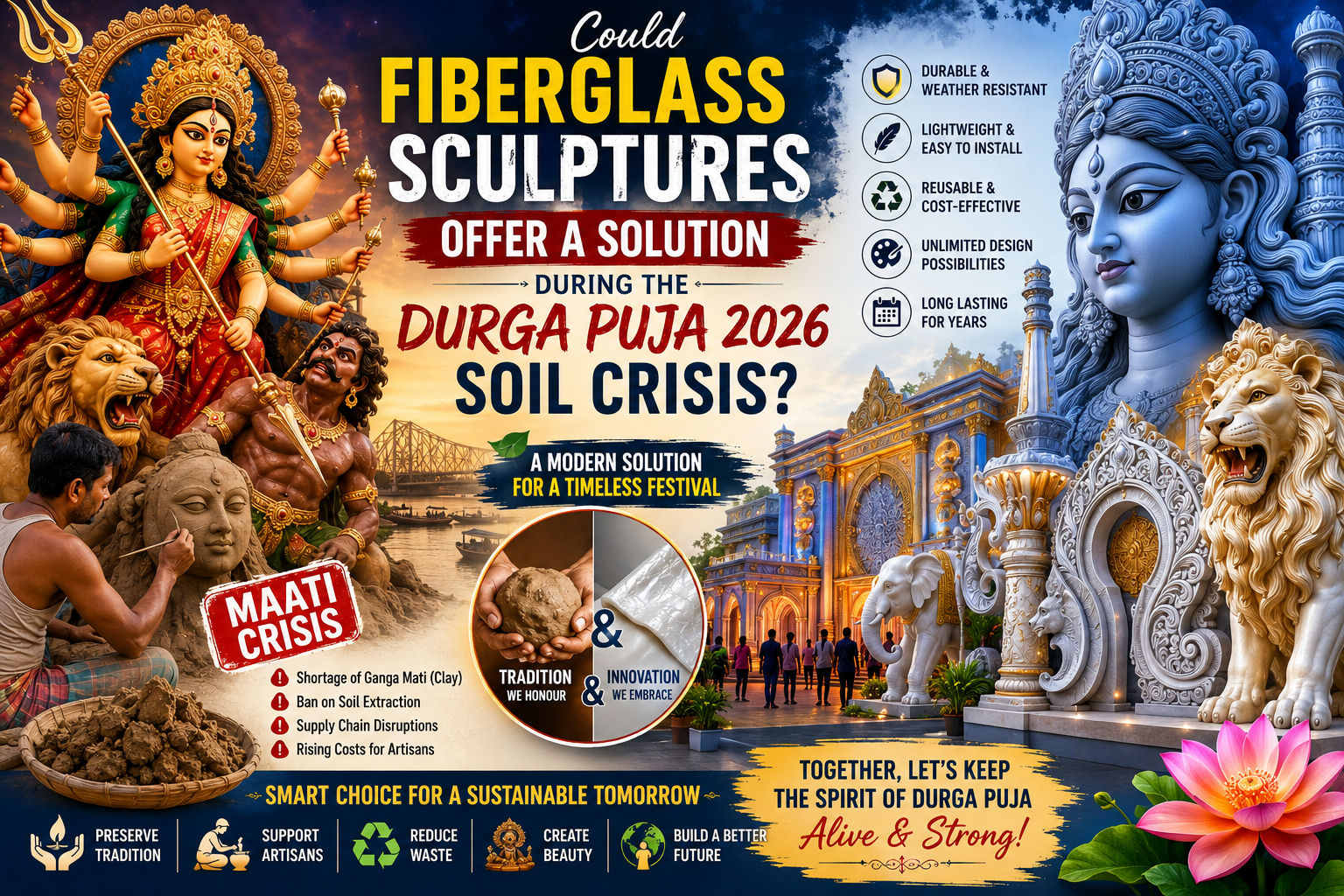
Read More →
Durga Puja is more than a festival—it is a celebration of art, culture, devotion, and community. Every year, millions of devotees and visitors gather to admire magnificent idols, creative pandals, a
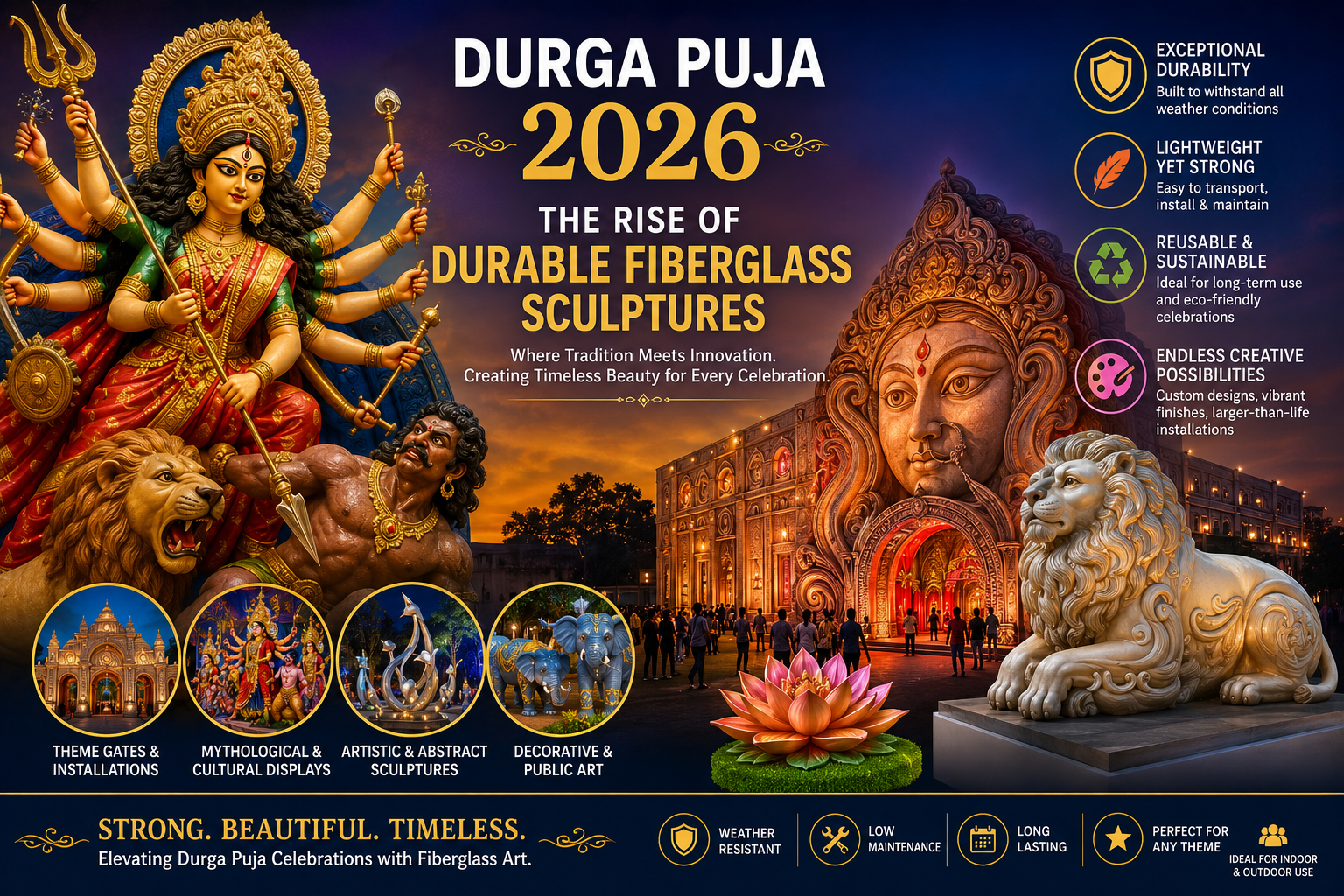
Read More →
For centuries, Kumartuli has stood as the artistic heart of Kolkata. Known worldwide for its skilled idol makers and traditional craftsmanship, this historic neighborhood has played a major role in pr
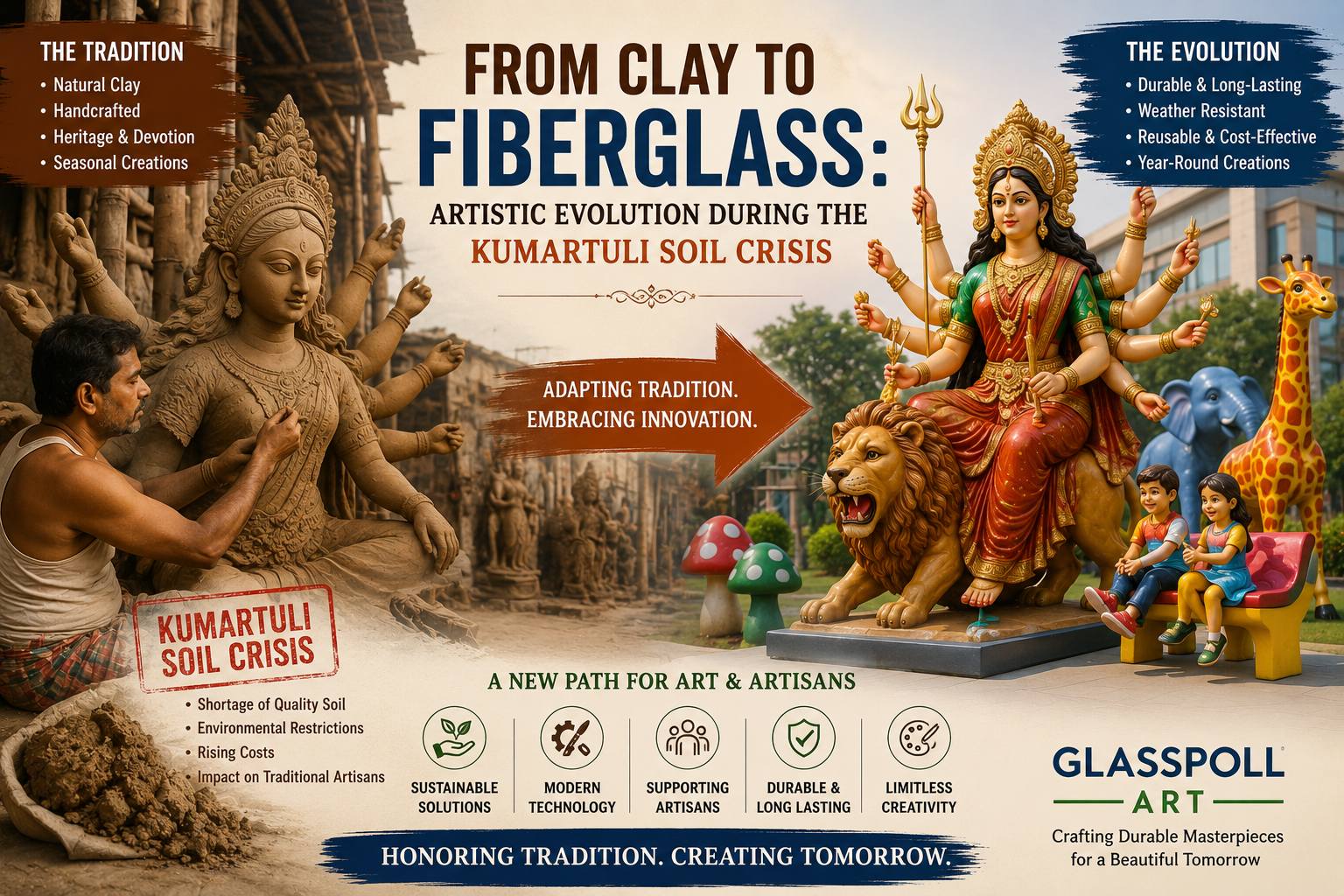
Read More →
Playgrounds have evolved far beyond simple swings and slides. Today’s modern playgrounds are designed to encourage creativity, physical activity, social interaction, and imaginative play. Whether it
Read More →
Durga Puja is more than a festival—it’s a celebration of devotion, artistry, and cultural heritage. Traditionally, idols of Maa Durga were crafted from clay, symbolizing a return to nature. Howeve

Read More →
The holiday season is all about creating magical, memorable experiences. From twinkling lights to grand Christmas trees, festive décor has the power to transform ordinary spaces into enchanting wonde

Read More →
When the holiday season arrives, decorations transform ordinary spaces into magical experiences. Among the most iconic symbols of Christmas charm and tradition stands the nutcracker. While traditional

Read More →
Durga Puja is not just a festival—it's a deep spiritual and cultural expression of devotion, art, and tradition. In recent years, fiberglass Durga idols have grown in popularity due to their lightwe
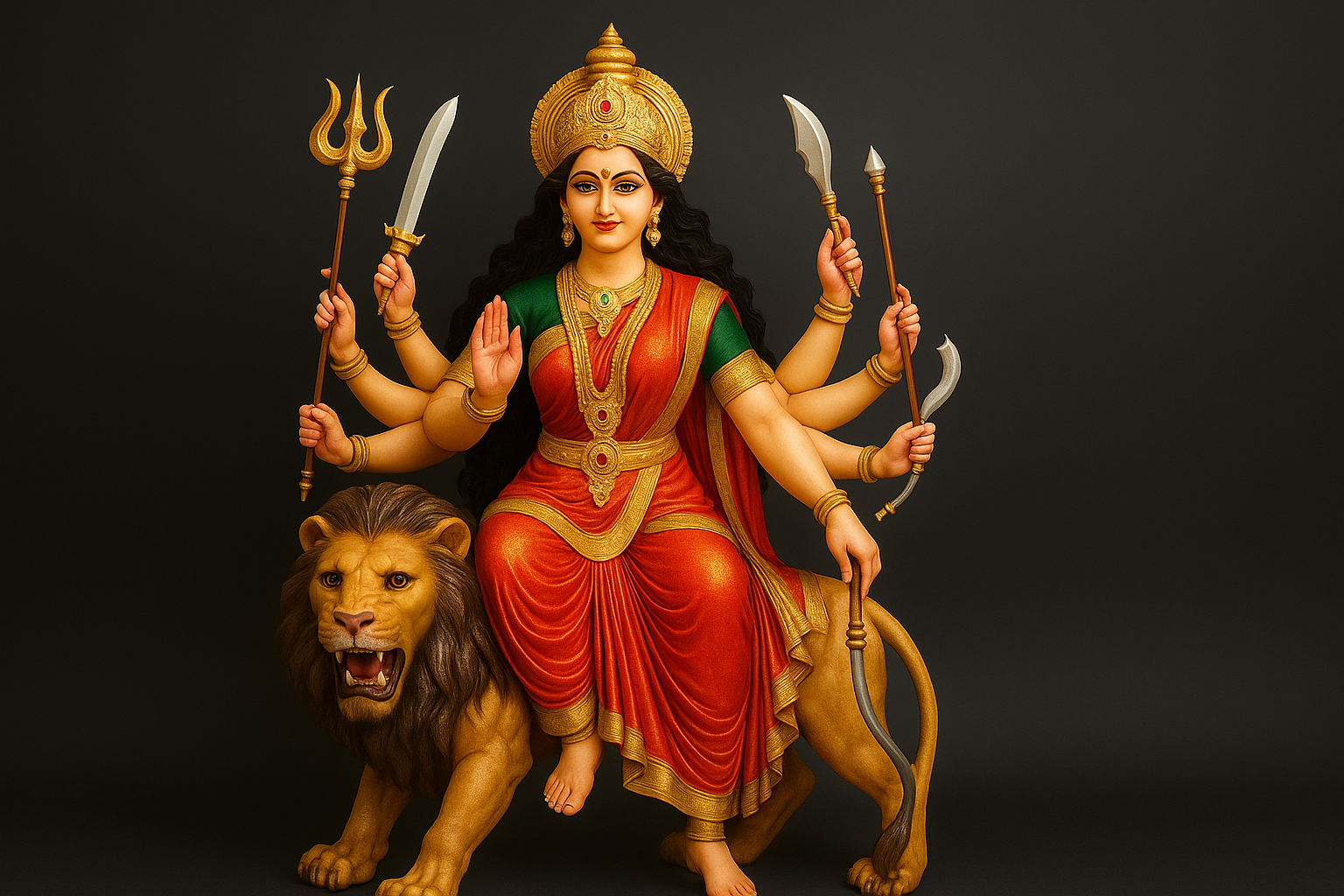
Read More →
Fiberglass sculptures are not just decorative pieces—they are a blend of artistry, craftsmanship, and precision engineering. At Glasspoll Art, we take immense pride in delivering high-quality, dur

Read More →
Durga Puja, one of the most celebrated festivals in India, is a time of devotion, cultural vibrancy, and artistic splendor. At the heart of these celebrations are the magnificent Durga idols, which sy

Read More →
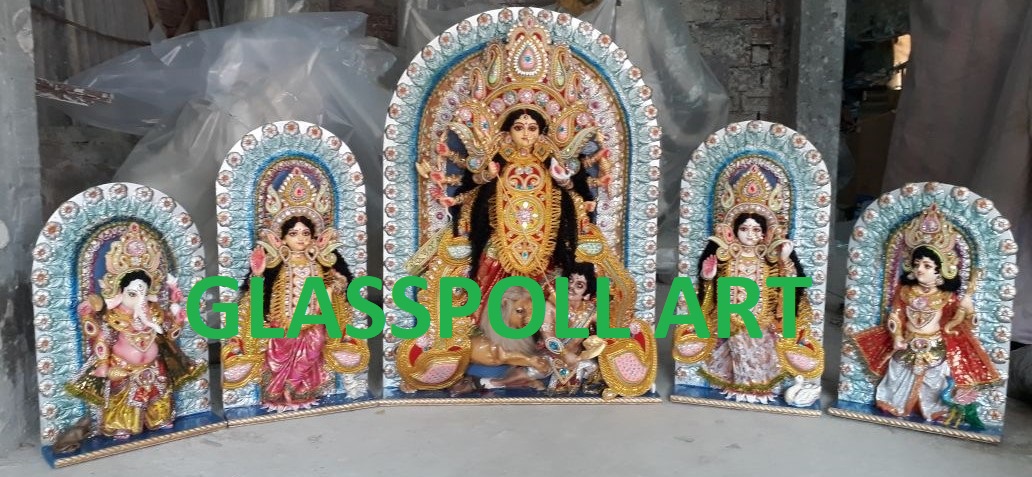
Durga Puja, the grand festival celebrating the triumph of good over evil, holds a special place in the hearts of Bengalis, and no other city captures the essence of this celebration quite like Kolkata
Read More →
Over the last couple of years, Fiber children sculptures are in high demand. These statues are perfect option to décor a place. You can place the statue inside and outside in a children’s park, p

Read More →
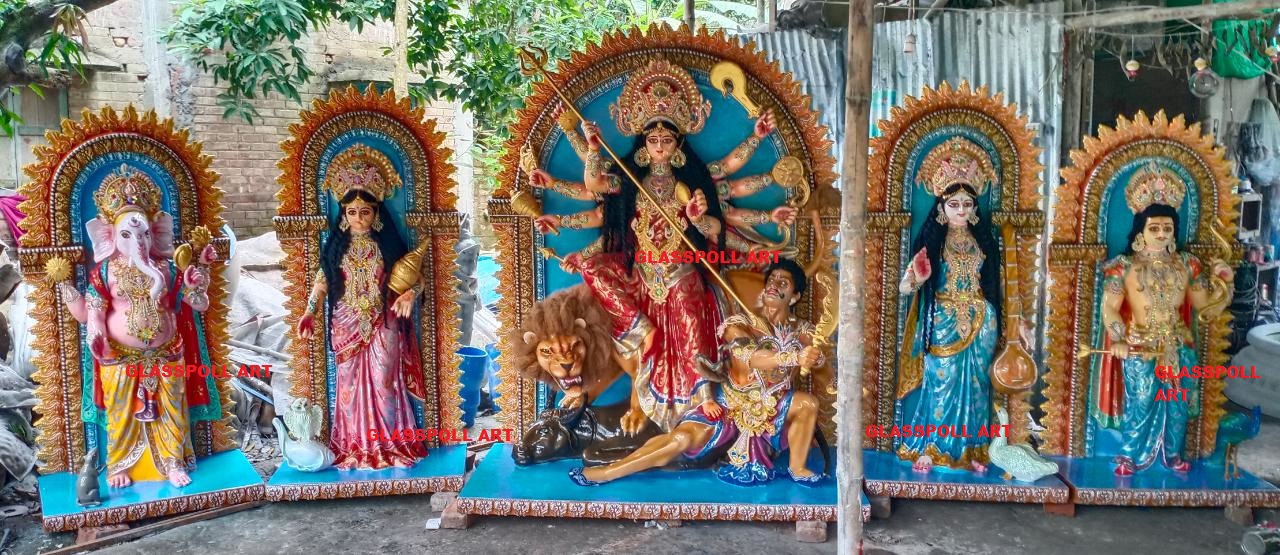
The True Essence of Durga Puja:Durga Puja is just not only a festival, it’s a heartfelt emotion for all Bengalis who live in abroad. It doesn’t matter; if a Bengali lives in UK, USA or North Ameri
Read More →
Why To Choose Fiberglass Durga Idols Made by Glasspoll Art? Durga Puja is undoubtedly the most glorious festival in West Bengal and for Bengalis. This greatest festival of autumn allows every B

Read More →
The Indian Music Industry is truly endowed with some legendary personalities for watch till now Indian songs; music, films are quite popular in the world. There are many personalities time to time wer
Read More →
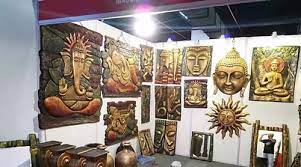
Without any doubt, adding beautiful wall hanging can define a space in a different way. You can set a mood or colorful vibes to any style of the room. This is what makes the wall hanging unique and be
Read More →
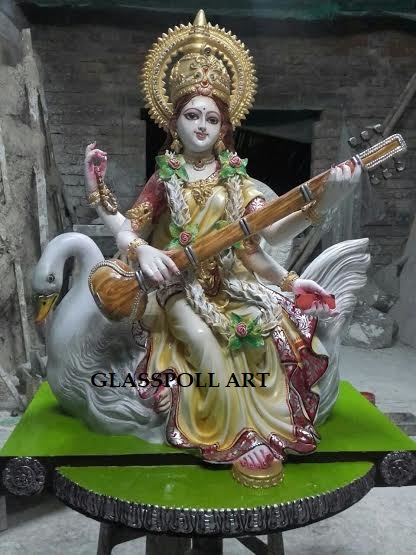
“Ya Kundendu Tusharahara Dhavala Ya Shubhra VastravritaYa Veena Varadanda Manditakara Ya Shveta PadmasanaYa Brahmachyuta Shankara Prabhritibhir Devaih Sada PujitaSa Mam Pattu Saravatee Bhagavatee Ni
Read More →
Human being always believes in the power of art, creativity, and ability to open people’s heart and minds. Public art or creation has the capability to teach us, inspire us, or just to make us smile

Read More →